Teaching With Purpose: Volunteers Transform Rural Learning
eVidyaloka|November 2025
eVidyaloka|November 2025
For over a decade, eVidyaloka’s digital classrooms have been transforming access to quality education for students in rural India. With the support of passionate volunteer teachers who consistently go the extra mile to bring lessons to life, these virtual sessions prove that with technology, distance is not a barrier. Focusing on both what and how it’s taught, volunteer teachers ensure that every student grasps concepts deeply, making innovative learning a reality in some of India’s most remote corners.
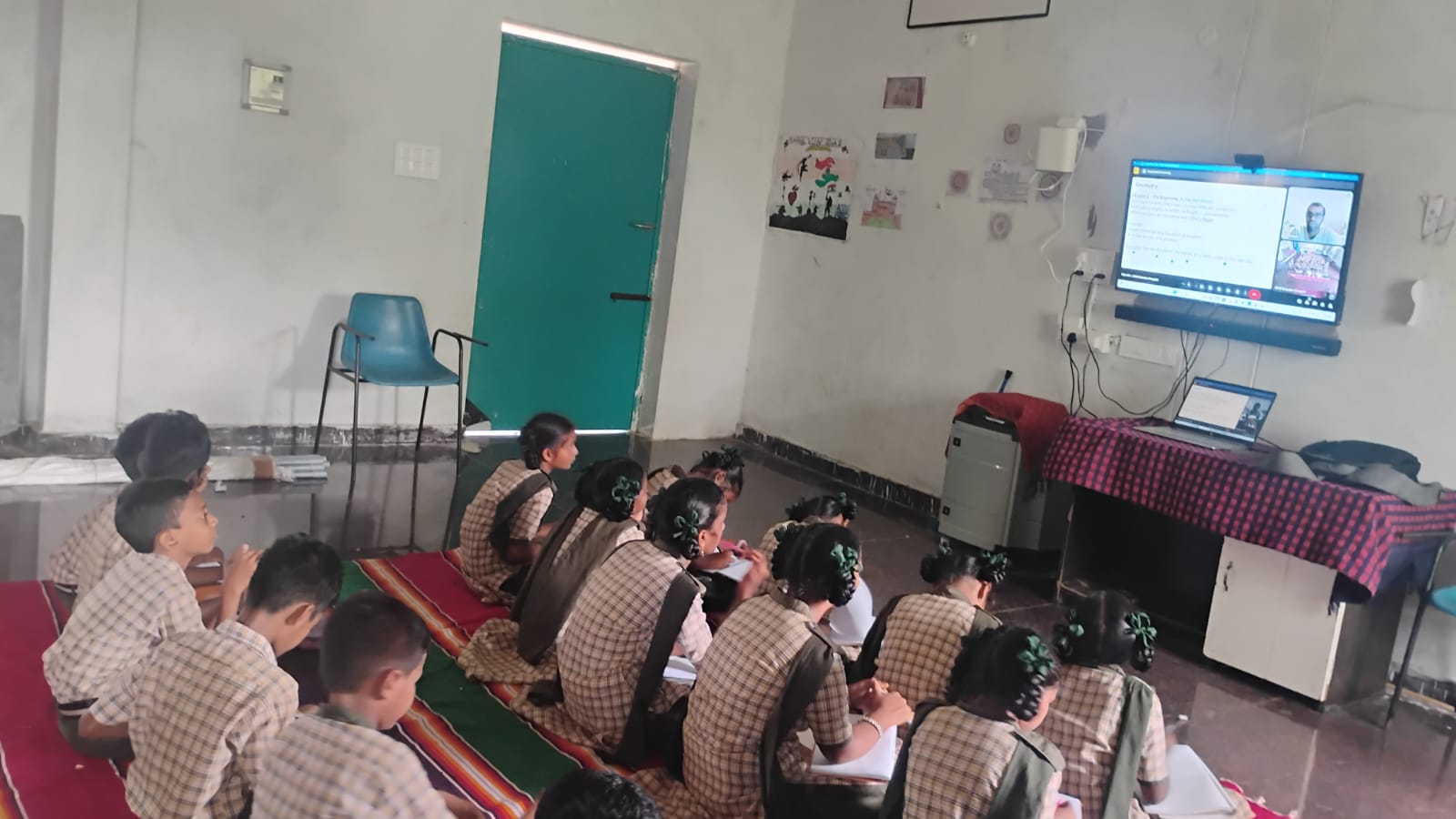
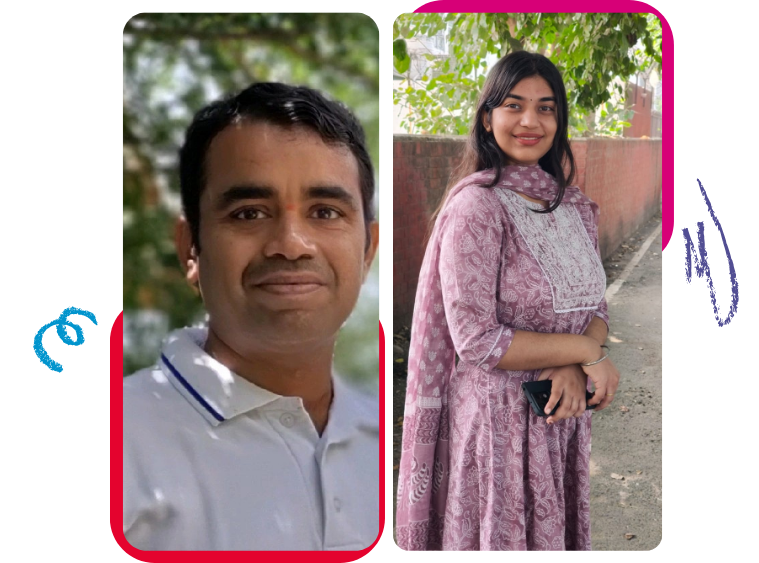
Prasad Reddi, a volunteer teacher at a school in Andhra Pradesh, teaches Grade 6 Mathematics. As soon as he started teaching, he realised that many students perceived maths as a difficult subject. “I believe removing fear is the first lesson, and nurturing confidence is the next,” he shares.
To change this mindset, Prasad focuses on making math engaging and understandable. “My aim has always been to make learning simple, visual, and relatable. My engineering background helps me transform concepts like geometry and angles into stories drawn from everyday experiences that children understand, making abstract ideas more meaningful.”
He firmly believes that a strong foundation in maths is essential, shaping logical thinkers who can face challenges with clarity and courage. He adds, “Every session fills me with purpose. Watching students gradually build confidence, ask questions, and overcome their fear of maths is truly fulfilling. It’s amazing how a small spark of encouragement can light up a child’s interest in learning.”
Teaching has also been a journey of growth for him. Volunteering, he says, has expanded his patience, empathy, and creativity, and improved his ability to simplify complex ideas with ease and joy.
At a school in Madhya Pradesh, volunteer teacher Veni Arora is helping Grade 7 students discover the power of language through her English classes. Aware that students feel most comfortable expressing themselves in their regional language, she encourages them to first write freely in Hindi and then translate their thoughts into English. She notes, “By removing the initial language barrier, students develop confidence in expressing themselves while nurturing a genuine interest in writing. They're not paralysed by grammar rules or vocabulary gaps; they're free to think, create, and then learn through the process of translation.”
Veni’s approach is to teach grammar to the students through their own work. She explains, “I ask students to identify and classify nouns directly from their paragraphs. Suddenly, grammar isn't something distant and arbitrary; it's a tool they're already using to express their ideas. This discovery-based approach helps them see language as something they can shape and control.”
She has found 15-minute video stories make excellent writing prompts. These bite-sized narratives capture the students’ imagination while providing a shared reference point for creative exploration. Her classroom comes alive with discussion, interpretation, and the eager scratch of pencils as students rush to put their ideas on paper.
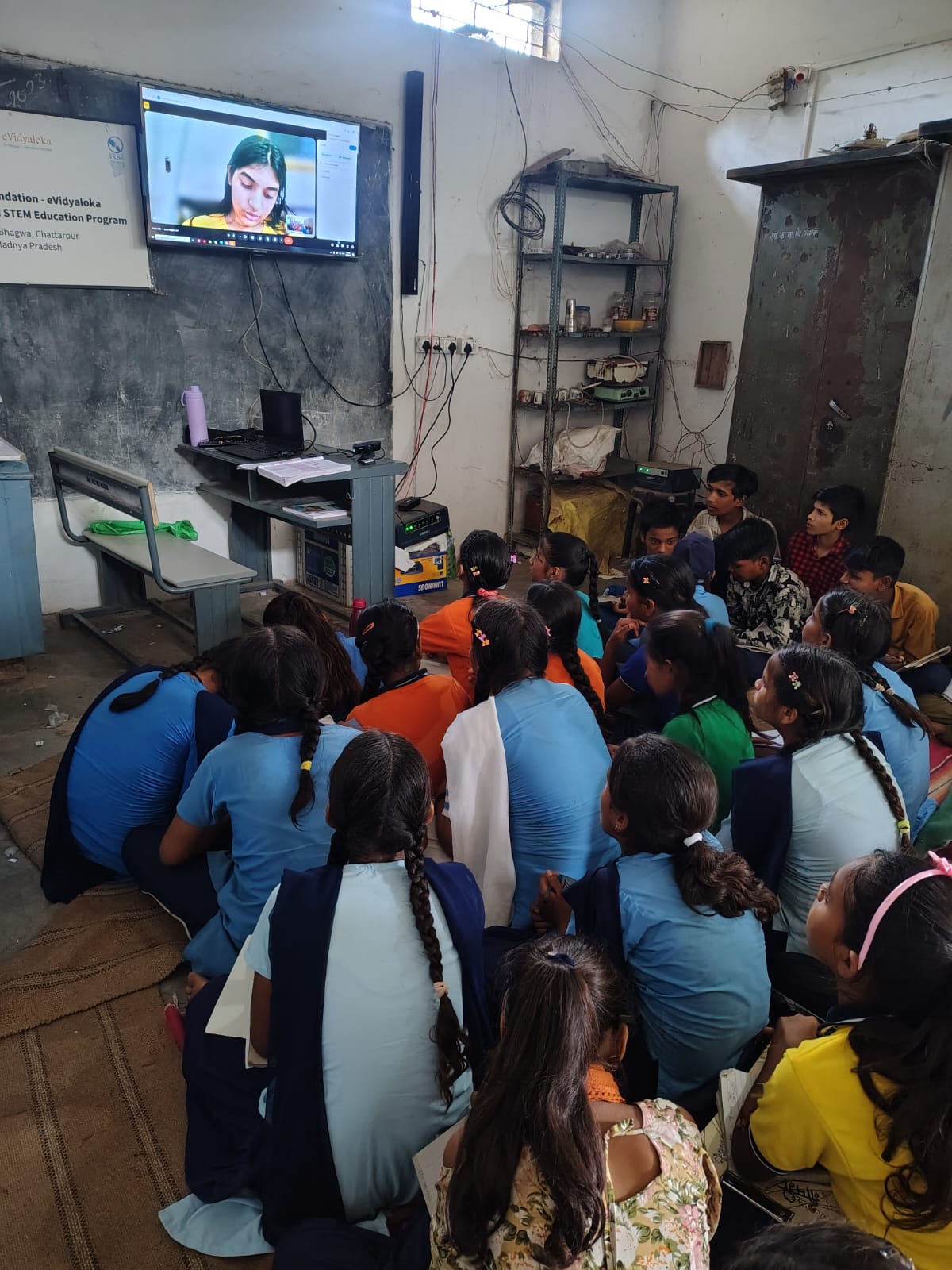
She reflects, “Through this journey, I've come to realise that teaching is as much about learning as it is about sharing knowledge. These students have become very dear to me. Their curiosity challenges me to find better explanations. Their enthusiasm reminds me why language matters. Their struggles teach me patience. Their breakthroughs fill me with joy.”
Across eVidyaloka classrooms, volunteers help students gain more from each lesson. They nurture confidence, provide avenues for self-expression, and ignite genuine curiosity. Their dedication leaves a lasting impact, encouraging students to approach each lesson with excitement and enthusiasm.

Explore how quality education empowers children to break barriers and reach their full potential.
Discuss innovative teaching methods and approaches used by education NGOs to foster a love for learning.
Shed light on the dedicated educators, staff, and volunteers who drive the NGO's educational initiatives.
